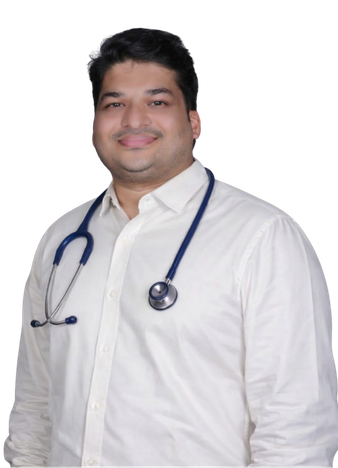
Dr. Bibin Perinkadakkad
MD- DM Medical Gastroenterology & Hepatology.
Advanced Care for Digestive & Liver Disorders
With 12+ years of experience, Dr. Bibin provides accurate diagnosis and personalized treatment for a wide range of digestive and liver conditions
Accurate Diagnosis. Personalized Treatment. Better Health.


Experience
12+ years of specialized experience in Gastroenterology and hepatology, managing a wide range of digestive and liver disorders with expertise in advanced endoscopic procedures.

Advanced Training
Fellowships in advanced and interventional endoscopy (ERCP & EUS), with certification from Harvard Medical School and membership in the Indian society of Gastroenterology.

Advanced Technology
Utilizing modern diagnostic tools and advanced endoscopic techniques to ensure accurate diagnosis, minimally invasive procedures, and effective treatment outcomes.
Doctor Availability & Consultation Locations
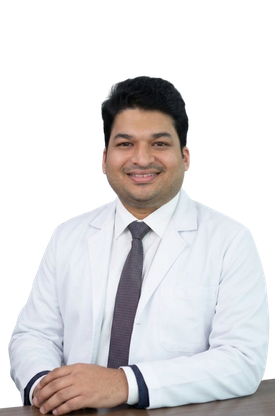

About Dr.Bibin
Meet the Specialist
Expert in Digestive & Liver Care
Dr. Bibin is a highly trained Gastroenterologist & hepatologist with advanced fellowships in Interventional Endoscopy (ERCP & EUS) . He is certified by Harvard medical school in the Advanced Mangement of Gastrointestinal disease and is a life member of the Indian society of Gastroenterology.
With extensive expertise in advanced diagnostic and therapeutic endoscopic procedures, he is committed to delivering precise, patient-focused care for digestive and liver conditions.
Advanced Gastro & Liver Treatments
Comprehensive Care for
Digestive & Liver Conditions
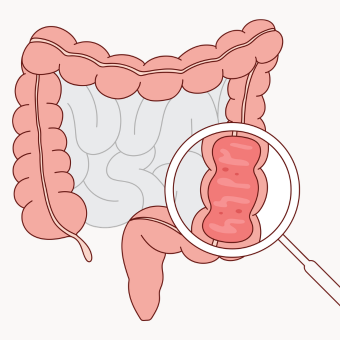
IBD Management (Ulcerative Colitis & Crohn’s Disease)
Comprehensive treatment for Inflammatory Bowel Disease (IBD) including Ulcerative Colitis and Crohn’s Disease, focusing on symptom control and long-term digestive health.
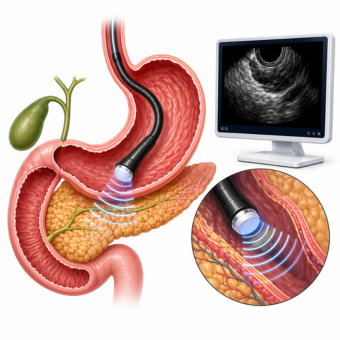
EUS-Guided Procedures
EUS-guided procedures use Endoscopic Ultrasound (EUS) to accurately diagnose and treat conditions within the digestive system.
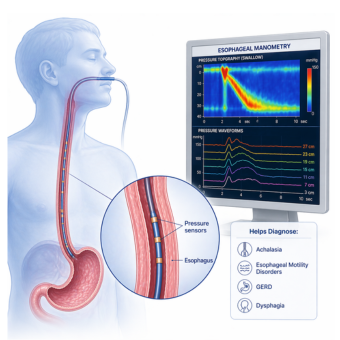
Esophageal Manometry
A diagnostic test used to measure the muscle function and pressure of the esophagus, helping diagnose swallowing disorders.
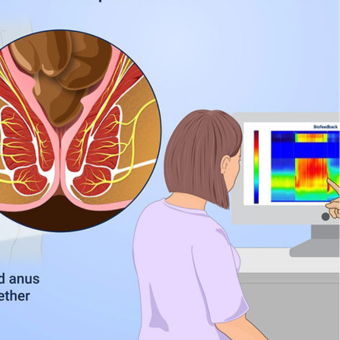
Biofeedback Therapy for Constipation
A non-surgical therapy that helps retrain pelvic floor muscles for better bowel movements. Improves coordination and provides effective relief from chronic constipation.
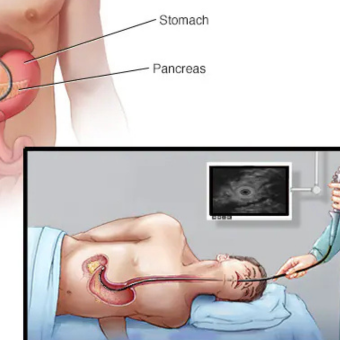
Endoscopic Ultrasound (EUS)
A specialized scan that combines endoscopy and ultrasound to produce detailed images of the digestive tract, pancreas, bile ducts, and surrounding organs.
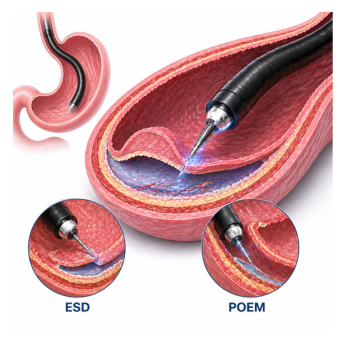
3rd Space Endoscopy (ESD, POEM)
3rd Space Endoscopy is an advanced technique used to treat complex gastrointestinal conditions by operating within the layers of the digestive tract without external surgery.
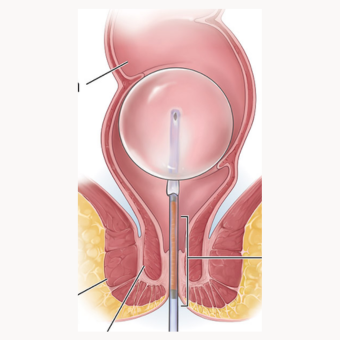
Anorectal Manometry
A test used to evaluate the function of rectal and anal muscles, often used in diagnosing chronic constipation and bowel control problems.
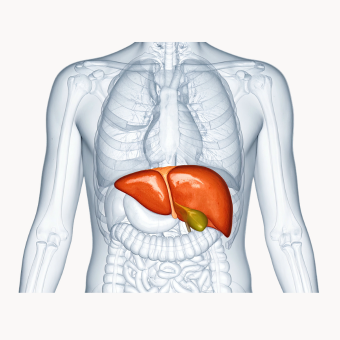
GI & Liver Cancer Care
Comprehensive care for cancers of the digestive system and liver, including early detection and diagnosis.
Personalized Care for Your Digestive health
Expert, patient-focused gut care tailored to your needs
Continuity of care
Clinical expertise
Accessible, patient-focused care





Struggling with IBS (Irritable Bowel Syndrome)?
Get the right diagnosis and long-term relief with expert care.
IBS can cause symptoms like abdominal pain, bloating, constipation, or diarrhea that affect your daily life. With the right diagnosis and personalized treatment, these symptoms can be effectively managed.
But IBS can be managed effectively
Frequently Asked Questions

The most common cause of peptic ulcer disease is infection with Helicobacter pylori (H. pylori), a bacteria that damages the protective lining of the stomach and duodenum. Another major cause is prolonged use of pain medications known as NSAIDs (such as ibuprofen and diclofenac), which can weaken the stomach lining. Less commonly, ulcers may be related to excess acid production, smoking, alcohol use, or severe stress.
Inflammatory bowel disease (IBD) is a chronic condition characterized by inflammation of the digestive tract. The two main types are Crohn’s disease and ulcerative colitis. Symptoms may include abdominal pain, diarrhea, weight loss, and fatigue. Early diagnosis and appropriate treatment are essential to control symptoms and prevent complications.
An upper gastrointestinal endoscopy is recommended for patients with persistent symptoms such as upper abdominal pain, difficulty swallowing, unexplained vomiting, gastrointestinal bleeding, anemia, or significant weight loss. It is also advised in individuals above a certain age with new-onset symptoms or those not responding to medical treatment, to rule out serious conditions.
A colonoscopy is a procedure used to examine the large intestine (colon) using a flexible camera. It is recommended for individuals with symptoms such as rectal bleeding, chronic diarrhea, unexplained anemia, or changes in bowel habits. It is also an important screening tool for colorectal cancer, especially in individuals above 45–50 years or those with a family history.
Yes, endoscopy plays a crucial role in the early detection of gastrointestinal cancers. It allows direct visualization of the lining of the digestive tract and enables biopsy of suspicious areas. Detecting cancer at an early stage significantly improves treatment outcomes and survival.
Yes, fatty liver disease is often reversible, especially in its early stages. The cornerstone of treatment is lifestyle modification—weight loss, regular physical activity, and control of associated conditions such as diabetes and high cholesterol. Avoiding alcohol and maintaining a healthy diet can significantly improve liver health and prevent progression.
In patients with more advanced disease, particularly those with a condition called advanced fibrosis, pharmacological therapy may be required under specialist guidance to prevent further liver damage.
No, not all gallstones need surgery. Treatment is only required if the stones cause symptoms such as abdominal pain, infection, or complications like pancreatitis. Asymptomatic gallstones are often safely observed without intervention.
Endoscopic Retrograde Cholangiopancreatography (ERCP) is a specialized procedure used to diagnose and treat problems in the bile ducts and pancreas. It combines endoscopy and imaging to remove bile duct stones, relieve blockages, or place stents when necessary.
Get appointment

call
+91 9189922003
Trusted by Patients, Proven by Care
"One of the best doctors I have met. Dr. Bibin truly listens to patients and provides the right treatment without unnecessary procedures. Highly recommended!"
"I had a great experience with Dr. Bibin. The treatment was effective, and I recovered faster than expected. The care and support were excellent."
"Dr. Bibin has a very friendly approach. He made me feel at ease and answered all my questions patiently. Thank you for the wonderful care!"